Ampicillin Vs Amoxicillin: Differences Clinicians Must Know
Mechanisms of Action and Microbial Coverage Compared
Both drugs are aminopenicillins that exert bactericidal activity by binding penicillin binding proteins and inhibiting peptidoglycan crosslinking, causing cell wall lysis. Their core spectrum overlaps: reliable activity against many streptococci, enterococci, Listeria, and susceptible Enterobacterales (eg, E. coli, Proteus, Salmonella), with variable coverage of Haemophilus influenzae. Neither reliably inhibits beta-lactamase–producing strains, atypical pathogens, or Pseudomonas, so susceptibility testing and beta-lactamase inhibitors guide broader coverage. Clinicians must consider local resistance patterns.
Pharmacologic differences drive practical choices: amoxicillin’s superior oral bioavailability makes it preferable for outpatient therapy and pediatric dosing, whereas ampicillin is preferred intravenously for severe infections such as enterococcal endocarditis, neonatal sepsis, and Listeria meningitis where high serum or CSF levels are required. Combining either agent with clavulanate or sulbactam restores activity against many beta-lactamase producers, expanding usefulness in mixed or resistant infections. Route, severity, and susceptibility guide selection carefully.
| Feature | Ampicillin | Amoxicillin |
|---|
| Mechanism | Beta-lactam; PBP inhibitors | Beta-lactam; PBP inhibitors |
| Typical use | IV severe infections, enterococci, neonates | Oral outpatient infections, otitis, sinusitis |
| Bioavailability | Lower | Higher |
Pharmacokinetics: Absorption, Distribution and Clinical Implications
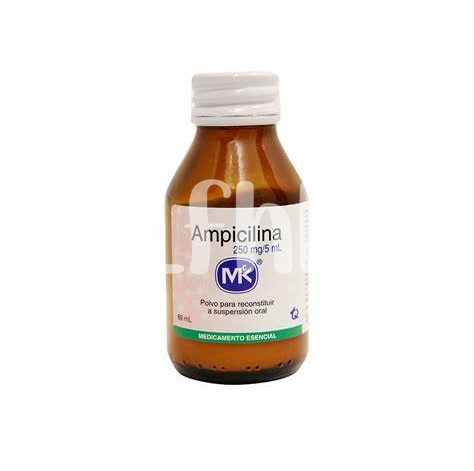
After oral dosing ampicillin shows modest bioavailability, often reduced by food, so timing matters. Intravenous use bypasses absorption limits and ensures predictable serum levels.
Low protein binding and moderate volume of distribution allow tissue penetration; cerebrospinal fluid concentrations rise during meningitis, supporting CNS indications when appropriate.
Renal excretion dominates elimination; half‑life is short, necessitating multiple daily dosing and renal adjustment to avoid accumulation and toxicity.
Clinically this means IV ampicillin for severe infections or poor oral uptake, and careful dose planning in renal impairment to maintain efficacy while minimizing harm.
Dosing Strategies, Formulations, and Route Considerations
Choosing therapy resembles tailoring: it must fit patient, pathogen, and infection site. Ampicillin dosing varies with weight, renal function, and infection severity, requiring careful adjustment in many contexts clinically.
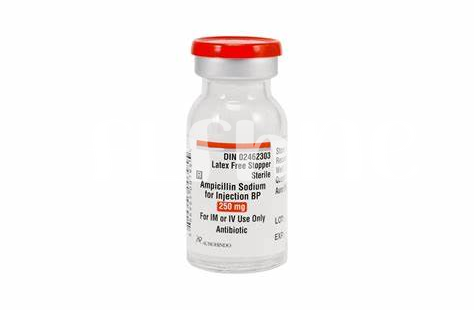
Available formulations include oral caps, IV, and IM preparations. Oral ampicillin has lower bioavailability than amoxicillin, prompting parenteral use for severe systemic infections until clinical improvement allows oral step-down.
Beta-lactams are time-dependent; maintaining serum levels above the MIC dictates frequent dosing or continuous infusion in select patients. Renal impairment requires dose or interval modification based on clearance.
Practical decisions balance efficacy, safety, and adherence: inpatient IV ampicillin transitions to oral agents, pediatric doses are weight-based, and penicillin allergy necessitates alternatives, including specialist consultation for complex cases
Resistance Patterns and Beta-lactamase Susceptibility Trends
Once a reliable workhorse, ampicillin now encounters growing enzymatic defenses: community and hospital Enterobacterales increasingly harbor enzymes that blunt penicillins’ activity. Clinicians watch shifting susceptibility, as formerly predictable oral regimens fail and empiric choices must reflect local epidemiology.
Detailed genotypes—TEM, SHV and rising CTX‑M families, plus plasmid-mediated AmpC—drive variable responses to therapy. Awareness of these trends prompts use of beta‑lactam/beta‑lactamase inhibitor combinations, targeted culture data, and stewardship strategies to preserve options and ensure effective, evidence-based prescribing. Regular surveillance and rapid diagnostics are essential to adapt therapy quickly in real time.
Safety Profiles: Adverse Effects, Allergies, and Interactions
Clinicians should weigh predictable gastrointestinal upset against therapeutic benefit; ampicillin often causes mild diarrhea, but severe reactions are uncommon and resolve spontaneously.
Allergic responses vary from rash to anaphylaxis; penicillin history requires careful assessment and alternative classes considered when risk is high for safety.
Drug interactions are limited but include potentiation with methotrexate and reduced oral contraceptive efficacy reported; monitor and counsel patients accordingly regularly.
Renal dosing adjustments mitigate accumulation and neurotoxicity risk; educate about signs of severe allergy and advise prompt discontinuation if they occur.
Clinical Decision-making: Choosing Therapy for Common Infections
Choosing between ampicillin and amoxicillin requires weighing spectrum, formulation, and host factors. Consider infection site, likely pathogens, and whether parenteral therapy is needed. Neonates, pregnant patients, and severe systemic infections often favor ampicillin for bacteremia.
Oral amoxicillin offers better oral bioavailability and dosing convenience for outpatient respiratory and otitis media infections, whereas intravenous ampicillin is preferred for enterococcal endocarditis, neonatal sepsis, and Listeria meningitis or when swallowing is compromised urgently.
Local susceptibility and beta-lactamase prevalence should guide choice; ampicillin is inactivated by many beta-lactamases, so use ampicillin-sulbactam or alternative agents when resistance or anaerobic coverage is a concern for intra-abdominal and complicated soft-tissue infections commonly.
Weigh allergy history, GI tolerance, renal dosing, drug interactions, and pregnancy; many labeled penicillin allergies are not true IgE reactions. Use local guidelines and stewardship to tailor therapy and promptly narrow therapy when cultures return.
PubChem: Ampicillin DailyMed: Ampicillin